Mumbai 1.0 to 3.0: Why the Smart Money is Moving East
Mumbai has always had a simple geographic challenge. Because the city is surrounded by sea on three sides, it cannot expand in every direction. For decades, the only way for the city to grow was moving north and east into new land.
To understand where the market is going next, it helps to watch where the smart money is heading. Smart money refers to major institutional investors, global private equity funds, and top property developers. These groups do not wait for a location to become popular. They buy land and real estate early, long before average buyers arrive and prices jump.
The key takeaway for investors is clear: the next major real estate growth story is moving beyond South Mumbai and the crowded western suburbs toward the East and the region now known as Third Mumbai. Developments like ORA Land in Karjat are also attracting attention as buyers look beyond crowded city markets for nature-focused real estate with long-term potential.
Understanding Mumbai’s Three Generations
Mumbai 1.0 (1950s to 1990s): Old South Mumbai
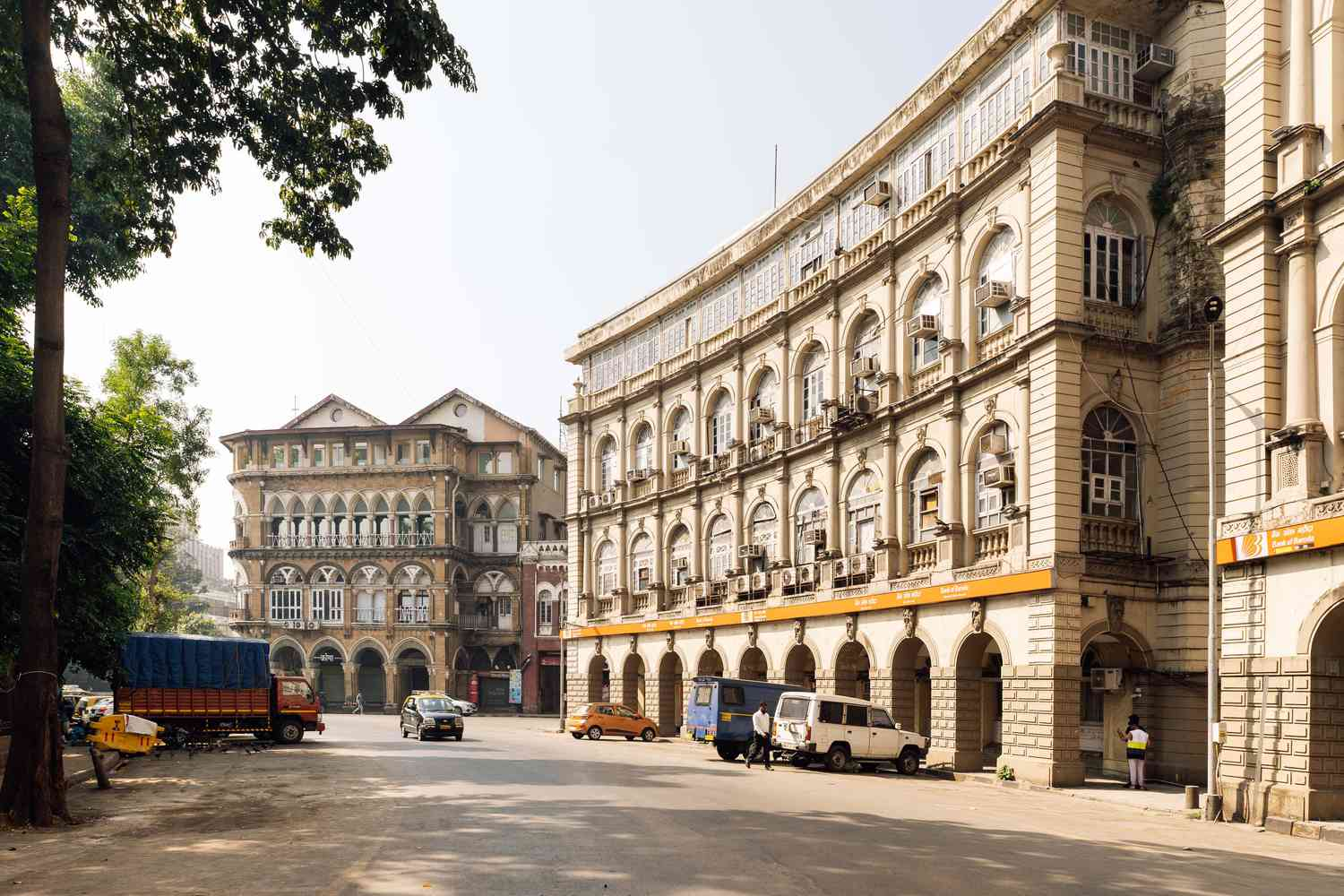
This era covers areas like Nariman Point, Colaba, and Worli. These locations served as the original financial and business centers of the city. Today, South Mumbai is extremely crowded, highly expensive, and lacks open land. Growth here has slowed because most new projects are limited to small redevelopment sites rather than large new developments.
Mumbai 2.0 (1990s to 2020): The Suburbs and Early Navi Mumbai
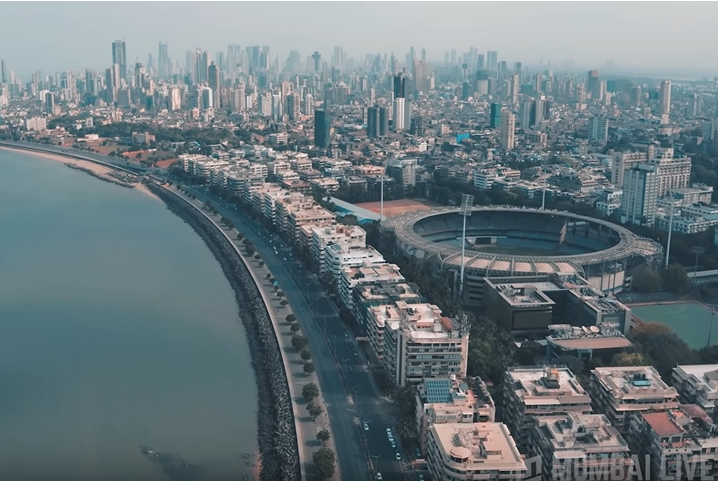
As South Mumbai ran out of space, growth shifted north and east to areas like BKC, Andheri, Thane, and Vashi. These locations grew into major business and residential hubs. However, these areas now face high property prices, severe traffic congestion, and overloaded infrastructure, leaving little room for fresh mega-projects.
Mumbai 3.0 (2020s Onwards): The Planned Mega City in the East
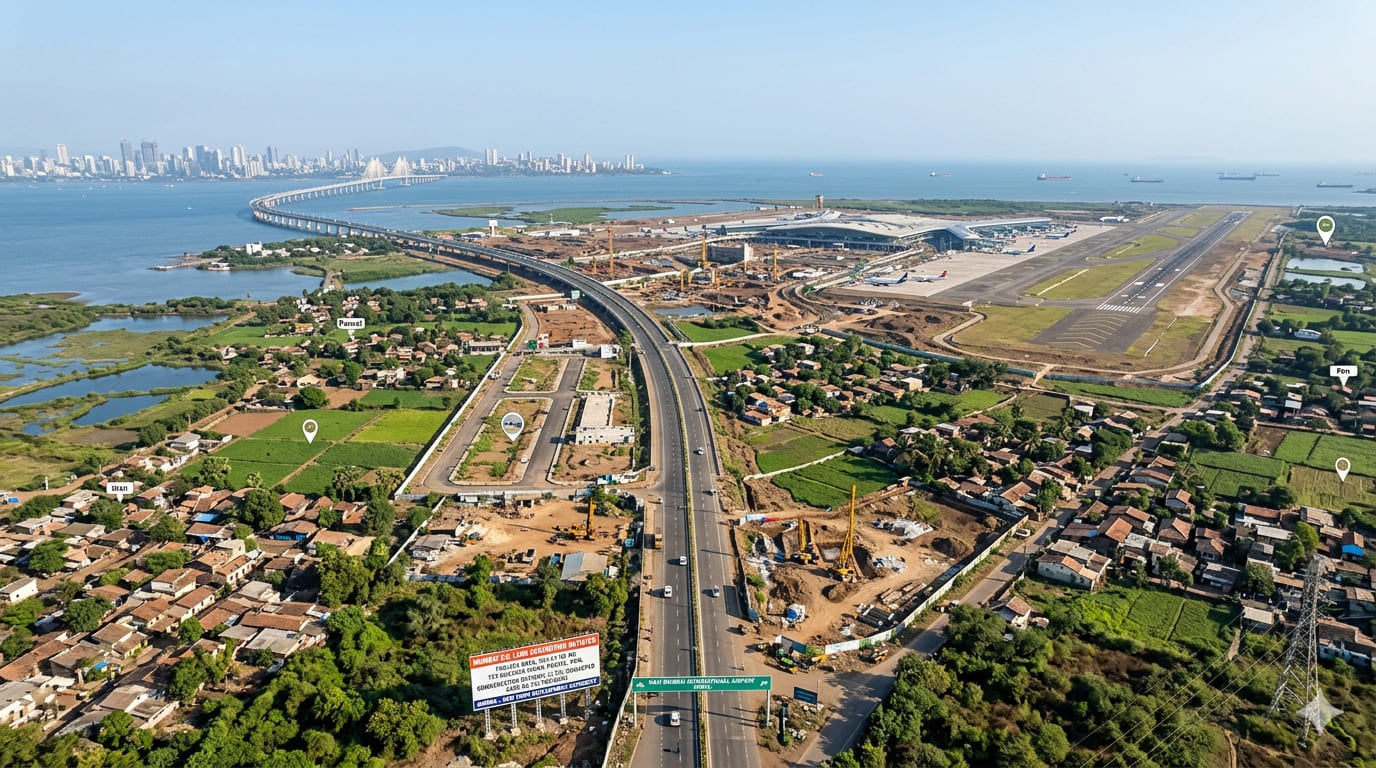
Mumbai 3.0 represents the new growth phase focused on the eastern belt, including Panvel, Ulwe, Dronagiri, Uran, and KSC New Town. Backed by government planning, this region covers over 320 square kilometers of open land. It is supported by massive infrastructure projects like new highways, sea bridges, and an international airport, making it the top destination for new real estate investments.
The 4 Big Projects Driving Growth to the East
Atal Setu (Sea Bridge)
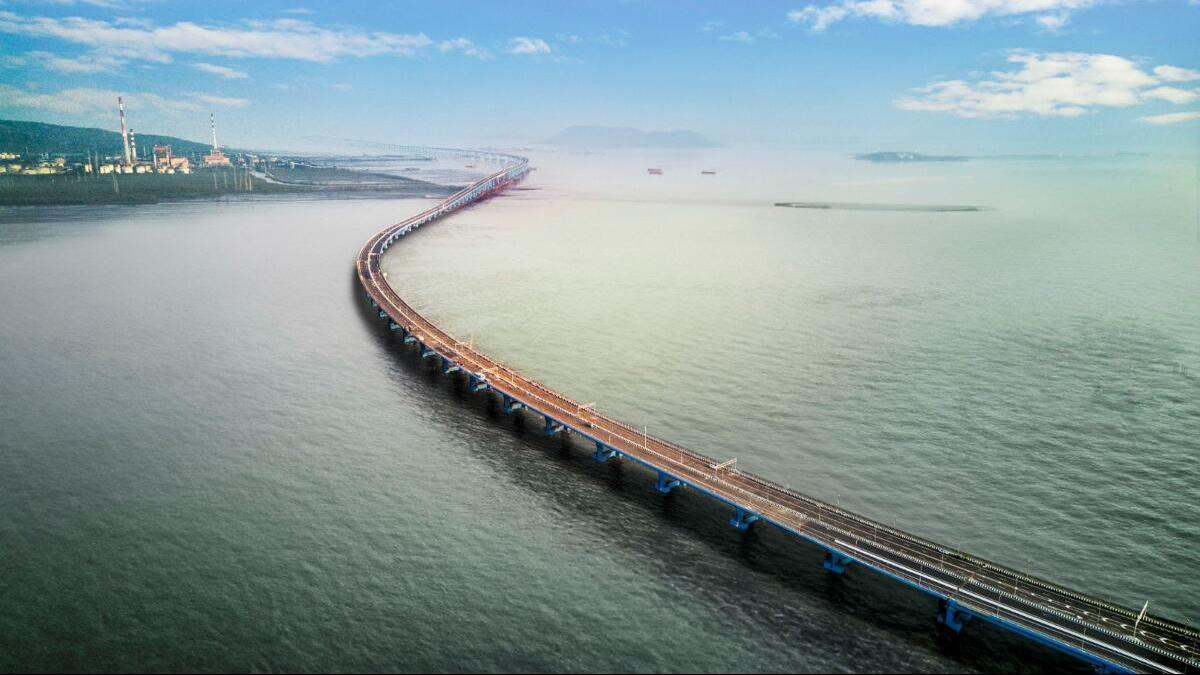
This 22-kilometer sea bridge connects South Mumbai directly to Navi Mumbai. It slashes travel time across the bay from two hours down to just twenty minutes, making daily travel between the two zones fast and effortless.
Navi Mumbai International Airport

The new international airport creates a massive economic ecosystem. It brings business centers, hotels, cargo hubs, and thousands of new jobs directly into the eastern belt, turning the area into an international trade hub.
New Metro and Suburban Rail Lines
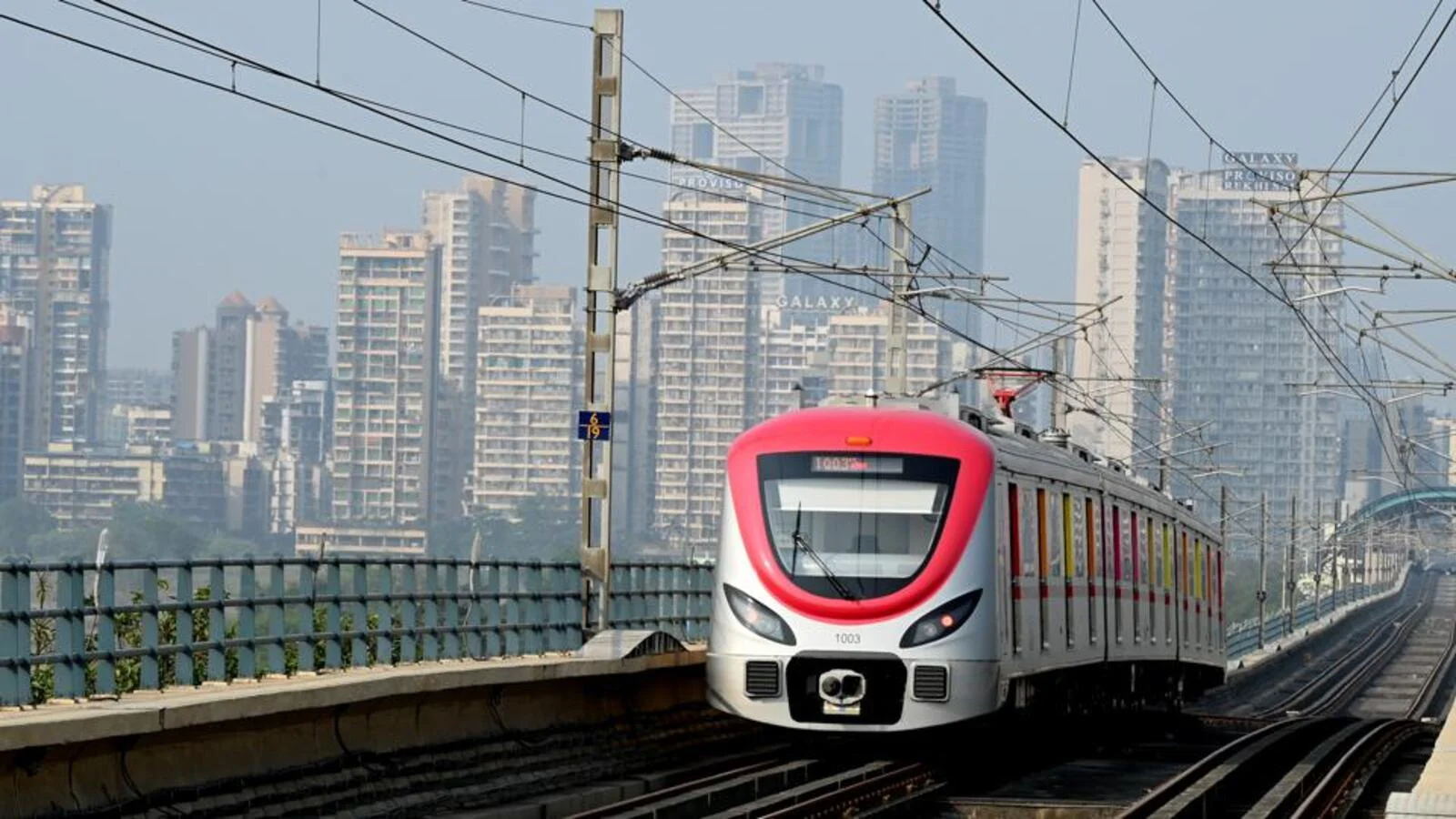
Expanding transport routes like the Navi Mumbai Metro and new railway corridors connect interior residential neighborhoods straight to major commercial centers. This allows residents to commute easily without relying on congested roads.
Planned Smart City Framework (NAINA)
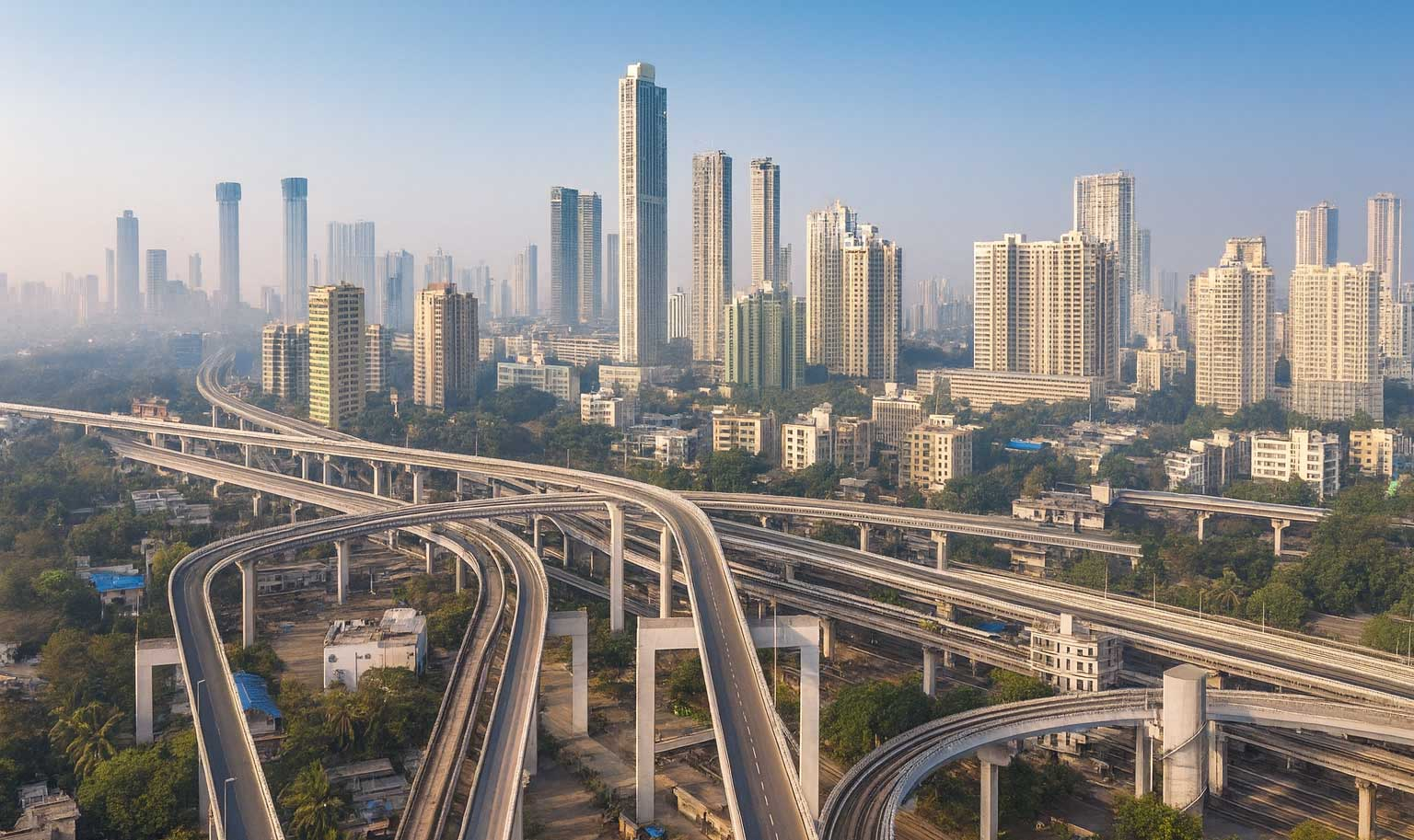
The Navi Mumbai Airport Influence Notified Area (NAINA) covers vast tracts of open land. Unlike older, congested parts of the city, NAINA uses organized town planning schemes to build wide roads, smart utility networks, parks, and clear zoning layouts from day one.
To see how this shift creates real estate opportunities across the region, read our guide Mumbai 3.0 for Investors: Location, Plots, and Prices.
Why Big Investors Are Buying Now
Big institutional investors, global funds, and top developers are actively shifting their focus to the eastern belt. They are placing early bets on this region for three main reasons.
- Lower Entry Prices: Property and land prices in developing eastern corridors remain significantly lower than in older city centers. Buying early allows investors to lock in low rates before major infrastructure projects are finished.
- Stronger Capital Growth: Mature real estate markets in South Mumbai and the western suburbs have reached price ceilings, resulting in slower appreciation. Developing regions offer higher return potential as new airports, sea bridges, and highways drive property values up rapidly.
- Support from Global Capital: Major global investment firms, including Blackstone, are directing billions of dollars into the eastern belt. This capital is building data center hubs, mega logistics parks, commercial centers, and retail spaces, creating a strong economic base for long-term growth.
To understand how global funding and infrastructure impact individual plot investments, read the ORA Land article Invest in Land Near Mumbai: Locations, Prices and Projects.
Quick Comparison: Where to Look?
Investors targeting the eastern corridor generally divide opportunities into three distinct time horizons based on their financial goals.
- Ready or Near Term: Panvel and Ulwe
These areas are ideal for immediate housing or airport proximity. Located right next to the new international airport and key highway junctions, they suit buyers who want quick move-in readiness or rapid rental yields. - Mid Term Growth: Dronagiri and Uran
These locations act as major port and logistics hubs. Powered by cargo facilities, maritime trade, and expanding road links, they offer strong potential for commercial and mixed-use real estate growth over a medium timeline. - Long Term Plot Play: Chirner, Sai, and Karjat
These emerging zones offer affordable land plots with high future upside. As major infrastructure projects spread across the region, acquiring gated NA (Non-Agricultural) plots here allows investors to lock in low entry costs for long-term wealth building.
To compare micro-market yields and returns across different locations, read the ORA Land guide Best Real Estate Investment in Mumbai: 2026 Guide.
FAQs
What exactly is Mumbai 3.0?
Mumbai 3.0 is a planned urban zone expanding across the eastern region of the Mumbai Metropolitan Region. It centers around major projects like the Atal Setu, NAINA, and the new Navi Mumbai International Airport.
Why are big investors shifting focus to the East?
Institutional investors are moving East because South Mumbai and the suburbs face price ceilings and heavy congestion. The eastern belt offers lower entry costs and strong capital growth powered by massive new infrastructure.
Is it safe to invest in land in Mumbai 3.0?
Land investments are secure if you focus strictly on RERA-approved developments and verified titles. Choosing gated plot communities with clear government town planning approvals ensures long-term asset safety.
Invest in Mumbai 3.0 Today
Mumbai real estate is shifting East for a clear reason. The East offers available space, world-class infrastructure, and new job hubs that old city centers can no longer provide. As major infrastructure projects near completion, early investors stand to gain strong long-term returns.
To invest wisely, focus on RERA-approved projects with clear titles. Track official development timelines, and pick locations that match your personal financial goals.
Ready to discover premium gated plot opportunities in the eastern growth corridor? Contact ORA Land today to view available plots or book your private site visit.