Agriculture Land vs NA Land in Karjat: Best Investment?
Karjat has become a top property hotspot for buyers moving away from crowded cities. As road networks expand, land in this green region offers strong potential for both weekend living and long-term capital growth.
Agricultural land offers low entry costs, but it requires farmer status and does not allow home construction. Residential NA land costs more upfront, but it lets you build immediately, secure bank loans, and sell without legal delays.
Choosing the right land type depends on your legal eligibility, your timeline, and whether you want a working farm or a secure residential asset.
What is the Difference Between Agriculture and NA Land?
The legal classification of a land parcel sets clear limits on how you use the property, who can legally own it, and what you can build. Choosing between these two land types in Karjat requires understanding their core legal and development rules.
Permitted Use and Construction Rights
Agricultural land is legally reserved for farming and crop production. You cannot build a house, villa, or concrete structure on this land, and unauthorized building can lead to government fines or demolition orders.
Residential NA land has official approval from the planning authority to shift use from farming to housing. This gives you the direct legal right to submit building plans and start home construction right away.
Who Can Legally Buy Each Land Type
Under Section 63 of the Maharashtra Tenancy Act, only recognized farmers with valid 7/12 land records can buy agricultural land in the state. Urban buyers without farmer status and Non-Resident Indians (NRIs) cannot buy farmland directly.
Residential NA land has no buyer restrictions. Any Indian citizen, business owner, or NRI can purchase an NA plot directly, complete title registration, and hold full legal ownership without needing farmer papers.
Investing in Agricultural Land in Karjat
Agricultural land in Karjat attracts buyers who want spacious green acreage at an accessible entry price. Before purchasing large farmland parcels, reviewing essential legal checks before buying land in Karjat helps you verify ownership records, avoid title disputes, and confirm local zoning rules.
The Advantages of Agricultural Land
- Lower Price per Acre: Farmland costs significantly less per square foot, allowing you to acquire multiple acres for the price of a small developed parcel.
- Large Acreage for Farming: The expansive layout is ideal for organic farming, fruit orchards, or long-term personal agricultural projects.
- Long-Term Land Appreciation: Holding large rural parcels near developing transit corridors offers steady capital growth over extended periods.
Ownership Rules and Restrictions
- Farmer Status Required: Only registered agriculturists with valid 7/12 proof can legally buy agricultural land in Maharashtra.
- No Residential Construction: You cannot legally build a concrete home or villa without official land-use conversion.
- Full Out-of-Pocket Funding: Banks do not issue standard home loans for agricultural land, requiring complete upfront cash payment.
- Lengthy Conversion Process: Converting agricultural land to residential status requires clearances from multiple local offices and the District Collector.
Investing in NA Plots in Karjat

Non-Agricultural land provides a straightforward, legally secure route to real estate ownership. Investing in verified NA plots in Karjat allows buyers to skip complex zoning procedures and focus directly on building wealth or developing a private home.
The Advantages of Residential NA Plots
- Immediate Villa Construction: Official residential zoning allows you to submit architectural plans, obtain building permits, and start home construction without delays.
- Bank Loan Support: Leading banks and financial institutions provide standard land purchase and construction loans for sanctioned NA land, reducing the need to pay fully in cash.
- High Liquidity and Resale Demand: Because any Indian citizen or NRI can legally buy NA land, your resale pool is open to the entire market, making it far easier to exit than farmland.
- Clear Title Deeds: Sanctioned NA plots come with dedicated survey numbers and separate 7/12 records, eliminating boundary disputes and title ambiguities.
The Key Cost Differences to Plan For
- Higher Initial Rate per Square Foot: NA plots carry a higher purchase price than raw farmland because the developer has already absorbed the conversion, zoning, and approval costs.
- Pre-Built Infrastructure: The higher purchase price covers internal asphalt roads, water connections, electricity lines, and stormwater drainage, which would otherwise cost significant time and money to install on raw land.
- Zero Conversion Fees: Buyers avoid government conversion taxes, architect layout sanction fees, and lengthy legal expenses required to convert agricultural parcels.
Direct Comparison: Agricultural Land vs NA Land
Choosing land in Karjat depends on your legal eligibility, build timeline, and liquidity goals. Each option requires a different investment approach and capital commitment. Here is how both land types compare across key legal and financial criteria:
| Key Aspect | Agriculture Land | Residential NA Land |
| Ownership Rules | Restricted to verified farmers. Non-farmers and NRIs cannot legally buy. | Open to all Indian citizens and NRIs with direct registration. |
| Building Permissions | Reserved for farming. Residential construction is strictly prohibited. | Approved for housing. You can get permits and build immediately. |
| Development Costs | High out-of-pocket costs for roads, power, water, and fencing. | Pre-installed utilities and internal roads are included in the price. |
| Bank Financing | No standard retail home loans or plot financing available. | Easily eligible for bank loans and home construction financing. |
| Resale Speed | Slow liquidity. Resale is limited only to eligible farmers. | Fast liquidity. Open to the entire retail and investor market. |
For a complete breakdown of revenue records and zoning rules, check our guide on NA plots vs agricultural land. It covers the legal paperwork, tax differences, and title verification steps needed before you buy.
Which Land Type is Better for Your Goals?
The right purchase depends entirely on what you want to achieve with the property. Aligning your timeline, legal status, and lifestyle plans ensures you select the correct asset for your capital.
When to Buy Agricultural Land
Agricultural land works best for certified farmers focused on long-term land banking, active cultivation, or large fruit orchards. It suits patient buyers who already hold valid farming records and want large acreage without immediate plans to build.
Why Residential NA Land is the Smarter Choice
Residential NA land offers the safest route for buyers wanting to build a private holiday home or generate weekend rental income. With pre-verified titles, direct building permissions, and gated community security, it eliminates the legal delays and maintenance demands of raw acreage.
Explore Gated Plotted Communities in Karjat
Choosing between agricultural land and residential NA plots comes down to matching your personal timeline with legal convenience. While raw farmland suits long-term agricultural holding, NA plots deliver immediate construction rights, clear ownership titles, and zero zoning delays.
Planned developments bring this legal certainty into a secure foothill setting with individual 7/12 records, pre-laid utility lines, paved internal roads, and curated resort amenities ready from day one.
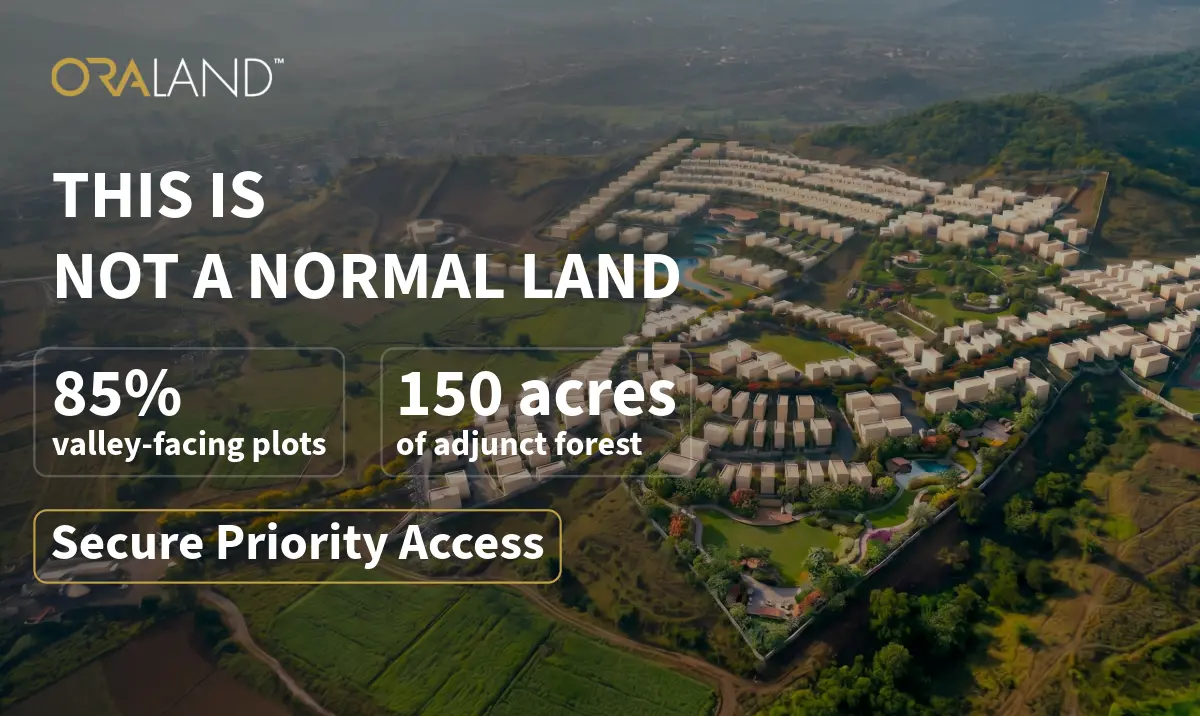
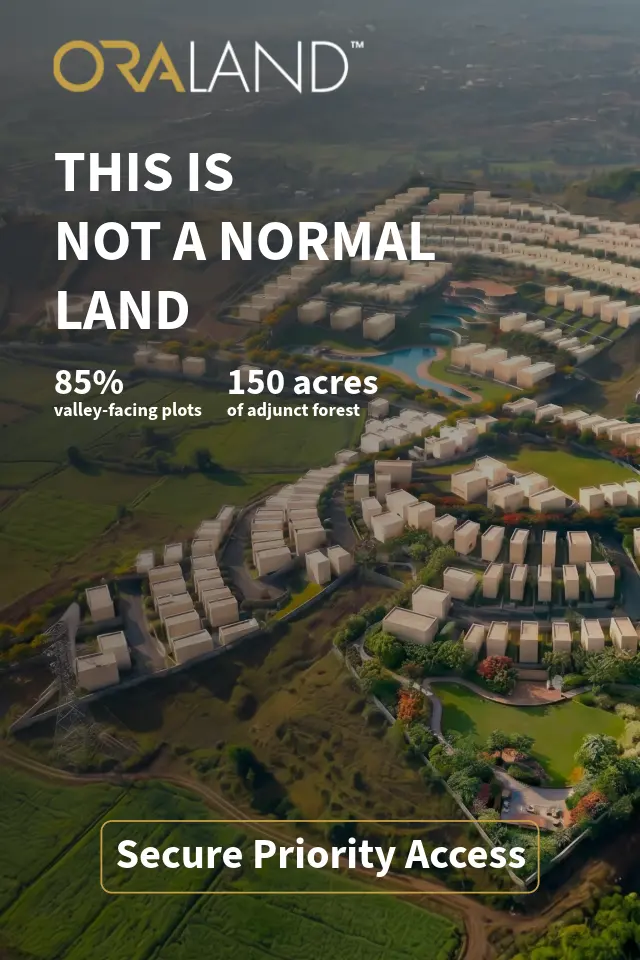
Connect with ORA Land BluBay today to explore master layouts, check plot availability, and choose the ideal parcel for your weekend villa near Mumbai and Pune.